
Hot Metal
Three things worth your attention this week.
The H2-DRI debate keeps skipping the number that runs the EAF. Every green-iron headline this year argues about the reductant — gas, hydrogen, the mix. Almost none of them mention metallization or carbon, which are the two numbers that actually decide what that iron does once it hits the furnace. Hydrogen-reduced DRI tends to come in low on carbon, and a melt shop that isn't ready to make that carbon up somewhere else inherits a yield and energy problem the press release never mentioned.
Pellet quality is quietly becoming an operator issue, not a purchasing one. With DR-grade pellet supply tight, more shops are running feed at the edge of spec — higher gangue, more variable metallization. That variability lands on the furnace floor as swinging FeO and inconsistent foaming, not on the purchasing desk where the pellet was bought. The shops handling it well read each cert as a recipe input instead of assuming last month's practice still fits.
U.S. Steel picked Midrex in mid-June for a 2.5 million tonne per year hot-DRI/HBI plant at Big River Steel Works in Arkansas — roughly $1.9B, first production expected in 2029, with hot DRI going straight to the adjacent EAFs and DR-grade pellets from the company's own mines. The operator read is in the flowsheet: hot charging is the cheapest energy in the building, and a mine-to-melt pellet chain turns the cert from a sheet you inherit into a spec you set.
Metallization and carbon: read the cert like a recipe, not a receipt
A DRI cert lands on the desk and most shops file it. Tonnes in, charge it, move on. But two numbers on that sheet decide your heat before the first kWh goes in: metallization and carbon. Treat them as someone else's quality problem and you pay for them in your own energy, yield, and slag — every heat.
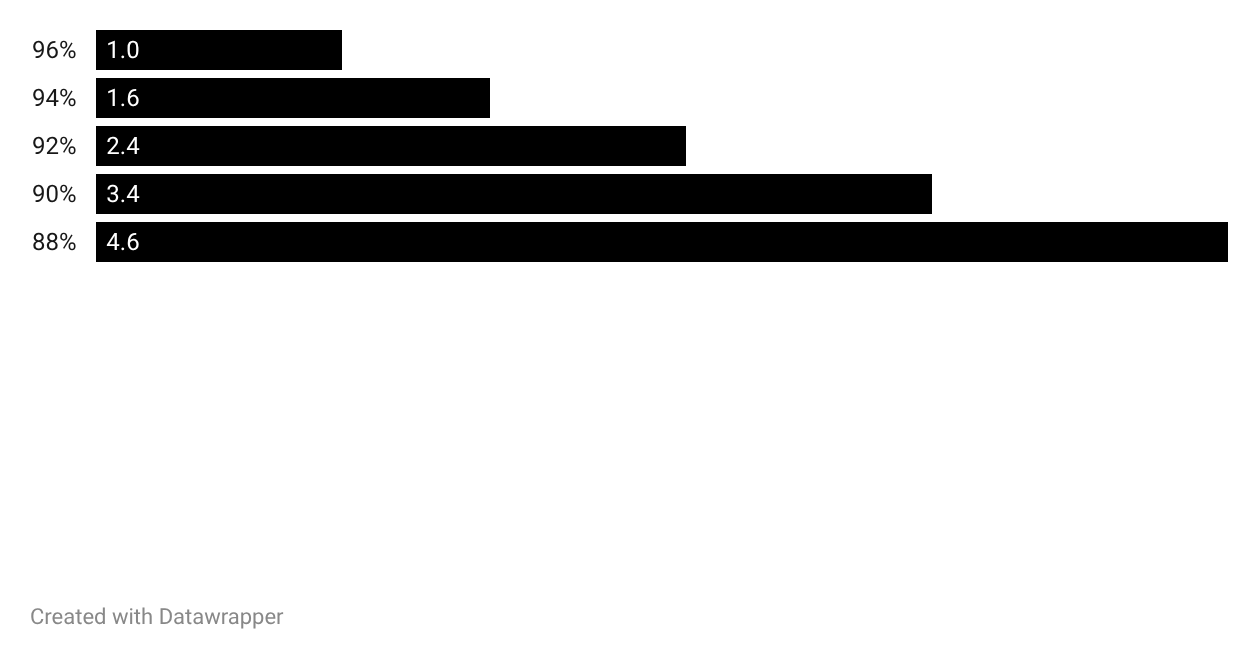
Start with metallization, the share of the iron that's actually metallic rather than residual oxide. Run in the low-to-mid 90s percent and the rest arrives as FeO, riding along with the metallics straight into your bath. That FeO doesn't disappear. Either you reduce it in the furnace, which costs carbon and time, or it reports to the slag, which costs you the iron itself. A couple of points of metallization sounds like a supplier's rounding error. On a shop melting a heavy DRI fraction, it's the difference between a clean slag and one that's eating yield and chewing your lining — because FeO-rich slag is aggressive slag.
Now carbon, the number that's supposed to fix the first one. Carbon in DRI runs from around a point and a half up toward four percent, and a DR plant on gas can tune it. That carbon does three jobs in your furnace at once. It reduces the FeO the DRI brought with it, returning that iron to the bath instead of the slag. It throws in chemical energy, exothermic where your electricity is not. And it generates CO down in the bath — the foaming you need to bury the arc and protect the panels. High-carbon DRI is, in effect, DRI that pays part of its own way.
So the two numbers aren't independent. They're a balance, and it's yours to close. Low metallization means more incoming FeO to reduce, which demands more carbon. If the DRI's own carbon doesn't cover it, the difference comes off your charge carbon and your injection, on your cost sheet. Run it the other way and a high-metallization, well-carboned DRI quietly lowers your reductant bill and your energy per tonne. Same tonnes, same furnace, a different cert, a different cost — and most shops never connect the two.
There's a third number hiding behind both: gangue. DRI carries the acid gangue — silica, alumina — that came with the ore, and it doesn't melt for free. More gangue means more flux to balance the slag, more slag volume to heat and skim, more iron lost in the larger mass. This is the real cost of a cheaper pellet, and it shows up nowhere near the pellet's price. The cert that looks like a bargain on iron content can be the expensive one on the floor.
Then the lever almost nobody on the operating side controls but everyone feels: temperature at charge. Cold DRI walks in at ambient and you pay to heat every kilogram from there. Hot-charged DRI — taken hot off the DR plant, or as hot briquettes — comes in carrying real sensible heat, and that's energy you don't put in through the electrodes. Where the plant is integrated for it, hot charging is one of the largest single energy levers on the whole flowsheet. Where it isn't, the cold tonnes are a tax you pay quietly on every heat.
The point isn't that you can dial these numbers yourself. Usually you can't — not the metallization, not the DRI carbon, not whether the iron arrives hot. The point is that you can read them, and adjust everything downstream that you do control: charge carbon, injection rate, flux, the DRI-to-scrap split, feed rate matched to power so you neither freeze the bath nor pile up an unmelted iceberg. The shops that run DRI well aren't the ones with the best cert. They're the ones who read the cert they got and set practice to it, heat by heat.
Operator's Notebook — Reading a DRI cert before you charge it
Before the bucket or the belt, look at the sheet. Three numbers tell you how this heat will behave.
Pull these off every cert:
Metallization (% met) — metallic iron vs FeO. Lower means more oxide into your bath and more carbon owed to get the iron back.
Carbon (% C) — how much FeO-reduction and chemical energy the DRI pays for itself, and how much you'll top up with charge carbon and injection.
Gangue (silica + alumina) — sets your flux addition and how much slag you'll make, heat, and skim.
Then set practice to the cert, not to habit:
Close the carbon balance on paper: incoming FeO to reduce, plus the bath carbon you want, plus what you need for foaming, minus what the DRI already carries. The gap is your charge and injected carbon. Don't run last month's number on this month's cert.
Match feed rate to power input. Feed faster than you can melt and you build an iceberg; feed slower and you've turned continuous charging back into off-power time.
If hot charging is available, use it. The sensible heat in hot DRI is the cheapest energy in the building.
The scorecard is in the slag. FeO in your slag is the honest report card on whether your carbon balance was right. High FeO heat after heat means the cert changed and your practice didn't. Read the slag, then read the next cert differently.
Next week: the iron you can't see leaving — metallic yield, and why the number your cost sheet hides is usually sitting in the slag pot.
Written by active DRI-EAF operators. Anonymous by necessity, specific by design.